Intellectual Statement
Care Infrastructures
As an information professional with a background in visual arts and a focus in Digital Humanities, I approach preservation and access as acts of care, requiring both technical sophistication and cultural sensitivity. Digital Humanities offers a bridge between institutional systems and the lived experiences of creators, particularly in contexts where traditional preservation methods are inadequate or misaligned with community needs.
My MLIS thesis on how artists manage their own archives in response to climate disasters shaped my understanding of preservation as a culturally embedded and future-facing act. Artist-led strategies often surpass institutional models in their flexibility, relevance, and cultural insight, revealing a need to re-imagine preservation frameworks from the ground up.
Digital Systems that Interpret and Empower
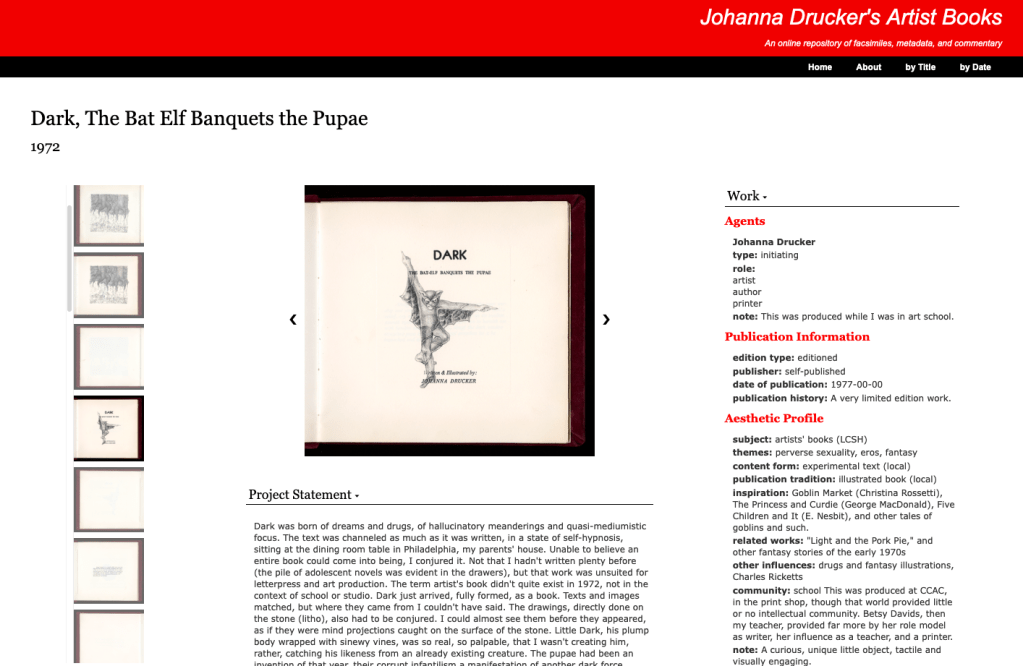
Through projects in cultural heritage digitization, archive design, and metadata modeling, I develop computational approaches that center creator agency and interpretive richness. In designing Dr. Johanna Drucker’s Digital Archive of Artist Books, I built a static site using HTML, CSS, and JavaScript, and implemented metadata schemas from AAT, LCSH, and FRBR to describe 50+ handmade books. The project offers both scholarly and public access to experimental book arts, reinforcing for me how information architecture shapes interpretation, legibility, and discovery.
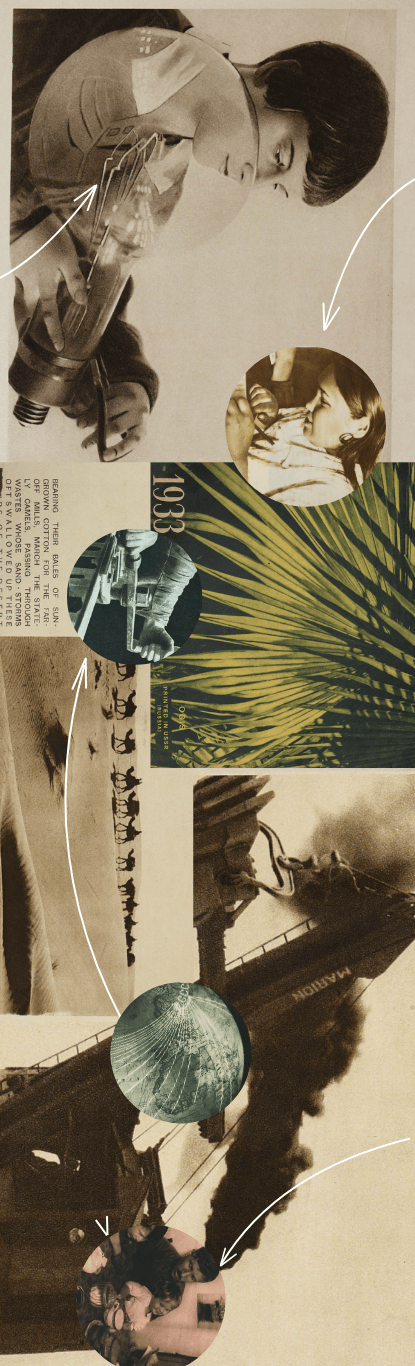
This ethos carried through to the USSR in Construction Network Analysis project, developed with Alicia Mara. We used Library of Congress Authority Headings and custom vocabularies to tag themes in Stalin-era propaganda magazines. Python-based network visualizations trace ideological shifts across time while preserving connections to digitized materials from the Wende Museum. This project illustrates how metadata and computation can uncover historical patterns without detaching them from their cultural context.
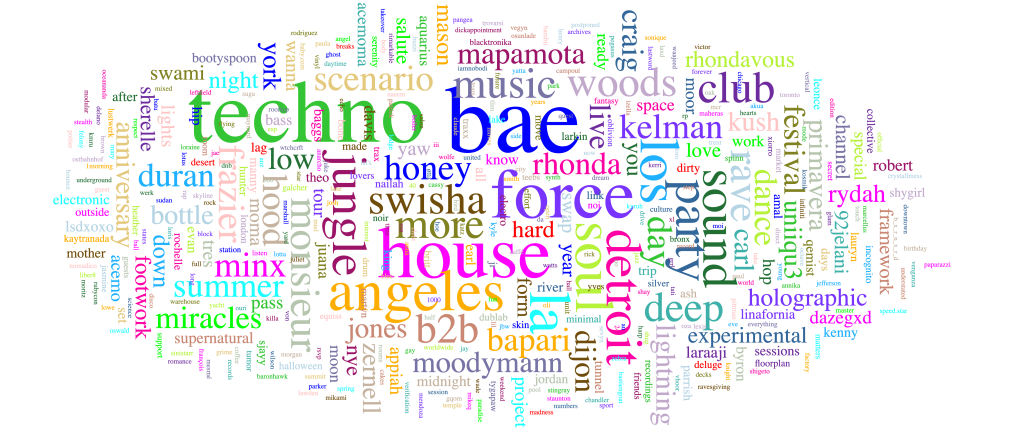
In the Black Artist Database: Representation in LA’s EDM Scene project, we investigated cultural equity through data analysis. I developed web scrapers and used R to clean and merge data on 28,000 performances. Our visualizations, inspired by house and techno flyer aesthetics, revealed persistent under-representation of Black artists even after public commitments to diversity post-2020. This work shows how DH methods can critique present-day inequities in cultural production and access.
Digital Humanities, for me, is a space for building more sustainable and inclusive approaches to cultural memory. I am particularly interested in developing preservation systems that center artists, prioritize long-term access, and address environmental precarity. My work explores how computational methods, like web scraping, data visualization, metadata modeling, can support the creative autonomy of cultural producers while improving discoverability and sustainability.
Pedagogy
As a Teaching Assistant for Introduction to Digital Humanities (2024–25), I worked with nearly 200 undergraduates from across disciplines—data theory, cognitive science, engineering, English—helping them navigate team dynamics, technical tools, and research design grounded in humanistic inquiry. I led workshops on tools like WordPress, OpenRefine, and Tableau within frameworks that emphasized reflection, documentation, and critical interpretation, in which students commented on feeling supported and safe to explore new skills.
This experience shifted my career path. It confirmed that technical skills are not just useful but essential for enabling creators and researchers to share and preserve their work meaningfully. Students produced their strongest projects when their methods aligned with personal values, whether analyzing social media discourse or building interactive maps, their work demonstrated that critical engagement thrives when students see themselves in their research. Teaching has also made my own DH work more rigorous. It continuously pushes me to clarify why particular methods matter and how digital infrastructures carry interpretive weight. Whether working with students or collaborating with artists, I aim to bring technical fluency, cultural sensitivity, and a collaborative ethos to every project.
Critical Understanding
DH is not simply the application of digital tools to humanities questions, it’s a critical space where the design of digital systems becomes a form of cultural analysis. This reciprocal relationship is what distinguishes DH from adjacent fields like Computer Science or Library and Information Science. Metadata design, user interface decisions, and visualization methods all make interpretive claims—about what matters, whose voices are amplified, and how knowledge is organized. Projects like Lauren Klein’s Data by Design and work in critical data studies reveal how even historical data visualizations encode bias and ideology. This awareness underpins my own approach: digital systems should be built with ethical, interpretive, and political stakes in mind.
DH continues to grapple with critical questions: how to recognize collaborative labor, build sustainable projects, and resist extractive approaches to data. I see promising trends: rising attention to the environmental impact of digital infrastructure; growing engagement with community-led and participatory research models; and increasing scrutiny of algorithmic systems in critical AI studies.
Select References
Key Texts:
- Drucker, Johanna. “Humanities Approaches to Graphical Display.” Digital Humanities Quarterly 5.1, 2011
- Klein, Lauren F. and Catherine D’Ignazio. Data Feminism. MIT Press, 2020
- Liu, Alan. “Where Is Cultural Criticism in the Digital Humanities?” Debates in the Digital Humanities, 2012
- Posner, Miriam. “What’s Next: The Radical, Unrealized Potential of Digital Humanities.” Debates in the Digital Humanities, 2016
- Ramsay, Stephen. Reading Machines: Toward an Algorithmic Criticism. University of Illinois Press, 2011
Selected Technical and Project Expertise
Platforms and Tools:
- Omeka, ArchivesSpace, CONTENTdm, Issuu, Voyant, Tableau, Neo4j, Kumu
- HTML, CSS, JavaScript; R and Python for analysis and visualization
Metadata and Collections:
- Experience with Dublin Core, METS, PREMIS, MODS, SKOS, AAT, LCSH, FRBR
- Skilled in developing controlled vocabularies and metadata schemas for cultural materials
- Familiarity with FAIR/CARE principles for ethical data stewardship
Teaching and Facilitation:
- Workshop design and instruction across tools and skill levels
- Emphasis on scaffolding, reflective practice, and inclusive pedagogy
- Consistent record of creating collaborative and affirming learning spaces
Data Collection and Analysis:
- Developed custom web scrapers for large cultural datasets
- Experienced in data cleaning, integration, and network analysis
- Visualization design with attention to accessibility and narrative clarity